




In this post, I will talk about the business of modern wellness and show you how consumer demand is reshaping the CBD industry.
Over the past decade, the wellness industry has expanded far beyond traditional supplements and fitness products. Consumers are increasingly interested in plant-based wellness solutions that align with modern lifestyles focused on balance, stress management, and recovery. As a result, the cannabidiol (CBD) market has evolved from a niche category into a rapidly growing segment within the broader health and wellness economy.
Business publications frequently explore how emerging wellness sectors create new opportunities for innovation, entrepreneurship, and retail distribution. The CBD industry represents a clear example of how consumer interest can transform a once-specialized product into a mainstream category across multiple markets.
Table of Contents
The Rapid Growth of the CBD Market

The growth of the CBD industry has been driven by rising consumer awareness and expanding product availability. Cannabidiol, commonly known as CBD, is a compound derived from the hemp plant that does not produce the intoxicating effects typically associated with cannabis. Instead, many consumers explore CBD products as part of routines focused on relaxation, sleep support, or general wellness.
Market data suggests the industry will continue expanding significantly. Analysts estimate that the global CBD market could grow from roughly $10 billion in the mid-2020s to more than $24 billion by the early 2030s as consumer demand and distribution channels expand.
This growth has encouraged both startups and established wellness brands to develop diverse product lines that appeal to a wide range of consumers.
Product Innovation and Market Competition
One reason the CBD sector has gained attention from business analysts is the variety of product formats available. Companies now offer oils, gummies, capsules, topical creams, and beverages designed to fit different consumer preferences.
Brands such as Medterra illustrate how companies are positioning themselves within this evolving market by offering a range of hemp-derived CBD products including gummies, tinctures, capsules, and topical formulations.
Many of these products are designed to integrate easily into daily routines. Consumers may incorporate them into morning wellness habits, post-exercise recovery practices, or evening relaxation rituals.
The wide variety of product types has helped CBD companies reach audiences with different lifestyles and wellness goals.
Quality Standards and Industry Trust
As the CBD market has grown, product quality and transparency have become central issues. Consumers increasingly expect clear information about ingredient sourcing, manufacturing processes, and laboratory testing.
Leading brands often emphasize third-party testing and transparent supply chains as ways to build consumer trust. These practices help confirm cannabinoid potency and ensure that products meet regulatory guidelines.
For example, many CBD manufacturers highlight their use of U.S.-grown hemp and CO₂ extraction methods, which are designed to preserve cannabinoid compounds while removing impurities.
Industry certifications and independent laboratory reports are also becoming common features on product websites. These reports provide detailed information about cannabinoid content and product purity.
The Role of Research and Collaboration
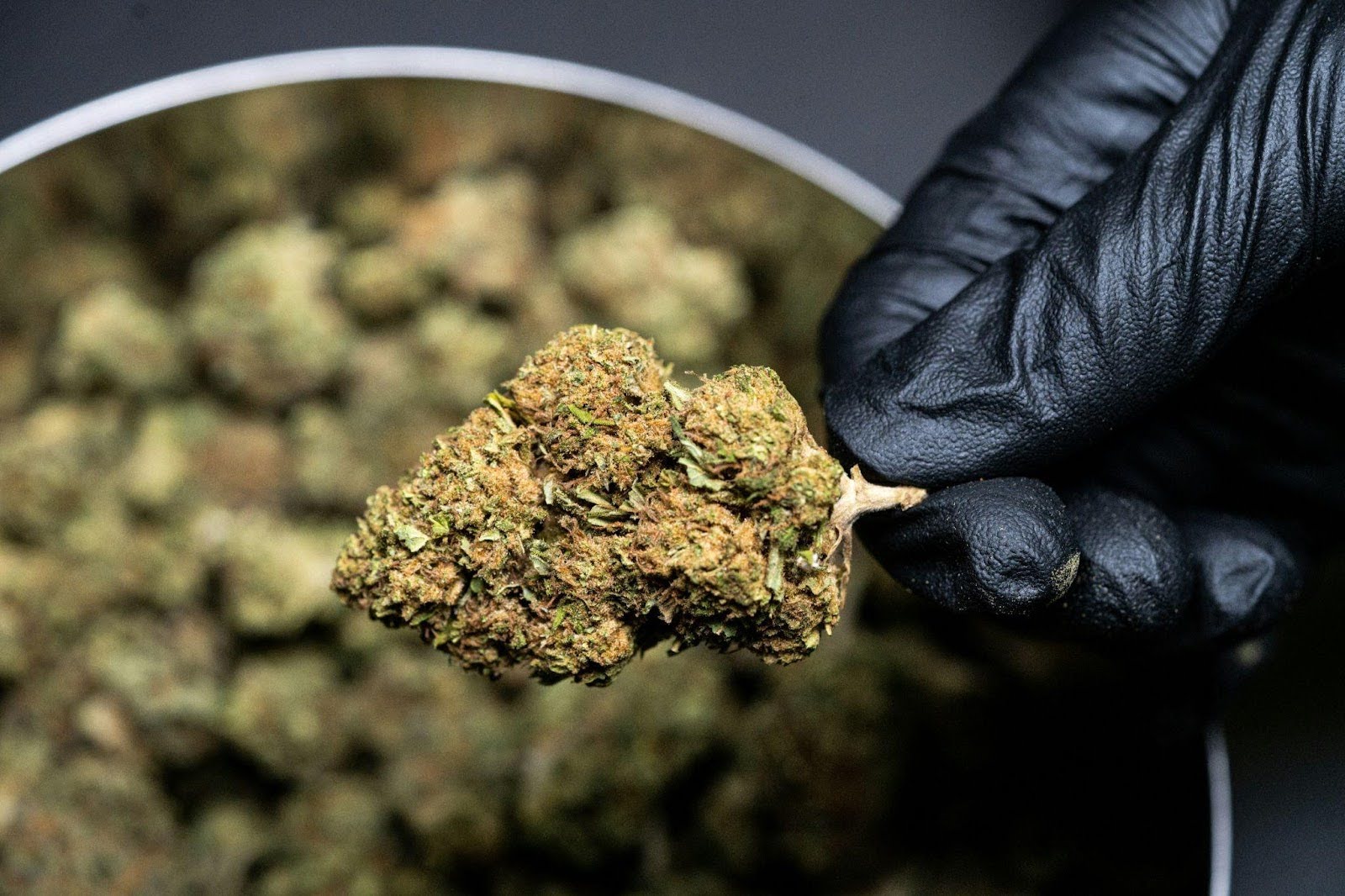
Another factor shaping the CBD industry is ongoing scientific research. Although CBD products are widely available, researchers continue to study how cannabinoids interact with the body and what potential benefits they may offer.
Collaborations between companies and academic institutions have helped expand the scientific understanding of CBD. In some cases, manufacturers partner with research organizations to examine the biological effects of cannabinoids and explore new applications.
One example includes research partnerships focused on studying cannabidiol’s potential biological effects and how it interacts with the body’s endocannabinoid system.
These collaborations contribute to the growing body of knowledge surrounding cannabinoid science while also supporting product development within the industry.
Retail Expansion and Consumer Accessibility
Distribution has also played a major role in the industry’s expansion. Initially, CBD products were mostly sold through specialty wellness shops or online retailers. Today, however, they appear in a wider range of locations including pharmacies, health stores, and major retail chains.
This broader availability has introduced CBD products to consumers who may not have previously considered them as part of their wellness routines.
Retail expansion has also encouraged companies to improve packaging, labeling, and product education in order to meet the expectations of a mainstream audience.
As CBD products move further into conventional retail spaces, brands must balance innovation with regulatory compliance and consumer trust.
Challenges Facing the Industry
Despite rapid growth, the CBD sector still faces several challenges. Regulations vary widely between regions, and evolving government policies continue to influence how products are marketed and distributed.
Companies must also navigate consumer skepticism and misinformation. Because the market expanded quickly, product quality has sometimes varied between brands, leading regulators and industry groups to call for clearer standards.
At the same time, increased competition means that companies must differentiate themselves through quality, transparency, and innovation rather than relying solely on early-market momentum.
These factors make the CBD industry both promising and complex from a business perspective.
A Sector Still Defining Its Future
The CBD market sits at the intersection of health, agriculture, retail, and scientific research. Its continued development will likely depend on regulatory clarity, scientific advancements, and consumer trust.
As more research emerges and quality standards continue to evolve, the industry may mature into a more structured segment of the global wellness economy.
For business observers, the rise of CBD companies provides a fascinating example of how consumer demand can rapidly reshape an industry, transforming plant-derived compounds into a major commercial category within modern health and wellness markets.
INTERESTING POSTS
About the Author:

Mikkelsen Holm is an M.Sc. Cybersecurity graduate with over six years of experience in writing cybersecurity news, reviews, and tutorials. He is passionate about helping individuals and organizations protect their digital assets, and is a regular contributor to various cybersecurity publications. He is an advocate for the adoption of best practices in the field of cybersecurity and has a deep understanding of the industry.


